
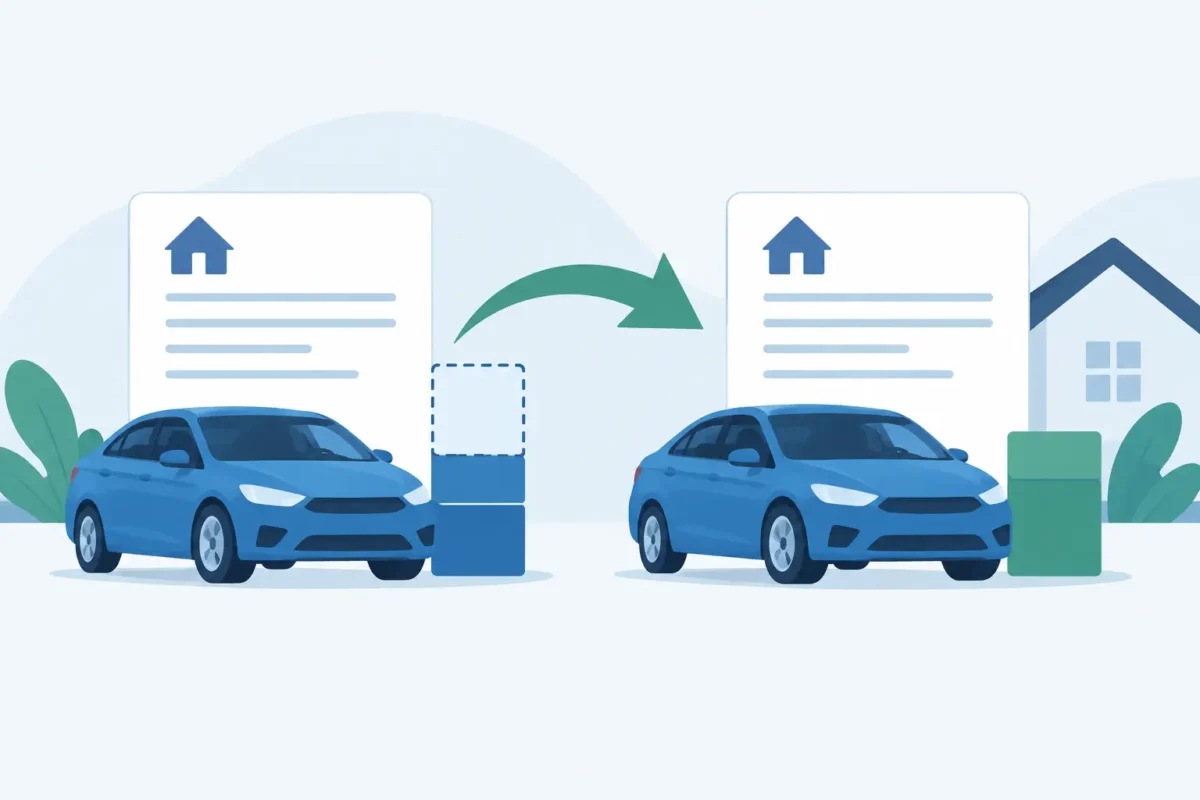
When you refinance a car, your new loan pays off your old loan. That simple change can affect your GAP coverage, too. If you are asking what happens to GAP after refinance, the short answer is that the coverage attached to your old loan usually does not automatically move to the new one. Taking a few minutes to confirm the details can help you avoid paying for coverage you no longer have or need.
GAP can be valuable if your vehicle is declared a total loss or stolen and your insurance payout is less than what you owe on the loan. But the way GAP works after refinancing depends on how you purchased it, the terms of your agreement, and whether your new loan includes optional GAP coverage.
What Happens to GAP After Refinance?
GAP stands for Guaranteed Asset Protection. It is designed to cover a qualifying difference, or gap, between your vehicle insurance settlement and your remaining loan balance after a covered total loss. GAP may be sold as insurance, a waiver, or an optional product through a dealership, lender, credit union, or third-party provider.
When your refinance is complete, your previous auto loan is paid off. In many cases, the GAP coverage connected to that old loan ends when the loan is paid in full. It generally does not transfer automatically to your refinance loan because it was issued under the terms of the original financing agreement.
That does not necessarily mean you are left without options. You may be able to cancel the old GAP product and receive a refund for the unused portion of the cost. Then, if it makes sense for your situation, you can ask whether GAP is available for the new loan.
The key is not to assume. Check the paperwork from your original loan and contact the provider that sold the coverage. A dealership finance office, lender, or GAP administrator can tell you whether the coverage ends at payoff, whether you need to request cancellation, and whether a refund may be available.
Can You Get a GAP Refund After Refinancing?
Often, yes. If you paid for GAP upfront and refinance before the original loan ends, you may qualify for a prorated refund. A prorated refund means you could receive back the portion of the premium or fee that applies to the remaining unused term.
For example, suppose you purchased GAP with a 60-month auto loan and refinance after 24 months. If your agreement allows cancellation after early payoff, there may be value remaining in the product. The exact refund amount can vary based on the original cost, the length of time coverage was active, administrative fees, and the terms of your contract.
Some providers process a cancellation once they receive confirmation that the old loan was paid off. Others require you to submit a cancellation form, proof of payoff, or a copy of your refinance documents. If the GAP product was included in your loan amount, a refund may be sent directly to you, applied to another balance, or handled according to the provider’s policy.
Do not wait too long to ask. While many GAP contracts allow cancellation after payoff, deadlines and requirements can vary. Save your loan payoff letter, refinance agreement, and original GAP paperwork until the process is complete.
How to check for a refund
Start by finding out who provided your GAP coverage. Look at your retail installment contract, monthly loan statements, dealership paperwork, or any separate GAP agreement you received when you bought the vehicle.
Then contact the provider and ask three direct questions: Is my GAP coverage still active after my old loan is paid off? Do I need to cancel it? Am I eligible for a refund of unused coverage?
Ask what documents are required and how long processing usually takes. Keep notes of the representative’s name, the date of your call, and any reference number. This creates a clear record if you need to follow up.
Should You Add GAP to Your New Refinance Loan?
Whether you need new GAP coverage depends on your current loan balance, your car’s value, your insurance policy, and how much financial risk you are comfortable taking on. GAP can make sense when you owe significantly more than the vehicle is worth, sometimes called being upside down on your loan.
This situation can happen because vehicles tend to depreciate quickly, especially in the early years of ownership. Rolling negative equity from a previous vehicle into your loan, choosing a longer repayment term, or putting little money down can also increase the chance of a gap.
On the other hand, GAP may be less necessary if you have substantial equity in your vehicle, have paid the balance down quickly, or could comfortably cover a shortfall after an insurance settlement. The right decision is personal. It should be based on the numbers, not simply on whether GAP was part of your previous loan.
Before adding any optional protection product to a refinance loan, review the cost, exclusions, deductible rules, maximum benefit, cancellation terms, and how a claim would be handled. GAP does not replace comprehensive and collision insurance. You still need the auto insurance required by your lender and your state.
Compare your loan balance with your vehicle value
A practical starting point is to compare your estimated vehicle value with your current refinance balance. If the balance is noticeably higher, ask your refinance specialist whether GAP is available and whether it fits your needs.
Remember that a lower monthly payment can sometimes come from extending the loan term. That may provide immediate breathing room in your budget, but a longer term can also mean you remain upside down longer. Refinancing can still be a smart move when it improves your rate, payment, or loan terms, but it is wise to understand how the new repayment schedule affects your equity.
Avoid a Coverage Mix-Up During the Refinance Process
Timing matters. Your original GAP coverage may remain in force until the old loan is officially paid off, not simply until you apply for refinancing or receive approval. The payoff process can take a little time, so confirm the actual payoff date with your prior lender.
Once the refinance is funded, verify that the old account shows a zero balance. If you plan to purchase GAP for the new loan, ask when that new coverage becomes effective. You want clear answers about when the old coverage ends and when any new coverage begins.
Also update your auto insurance information if your lender changes. Your insurer may need the new lender listed as the lienholder or loss payee. This is separate from GAP, but it is an essential step in keeping your loan and insurance records accurate.
If your old lender continues to send statements after payoff, do not ignore them. Review the account status and contact the lender if anything looks incorrect. A clean payoff record helps prevent confusion about your balance and any related protection products.
A Simple Checklist Before You Refinance
Before finalizing a refinance, gather your current loan information, including your payoff amount, monthly payment, interest rate, remaining term, and any optional products you purchased. Review your GAP agreement for cancellation language and refund details.
After the refinance closes, confirm that your old loan is paid off, contact the GAP provider, and request cancellation if needed. If you decide to add GAP to the new loan, read the new agreement carefully rather than assuming it matches your old coverage.
A refinance can be an opportunity to lower your payment, improve your rate, or choose terms that work better for your budget. It is also a good time to make sure every part of your loan, including GAP coverage, still matches where you are financially. Get the answers before your payoff is finalized, and you can move into your new loan with fewer surprises.