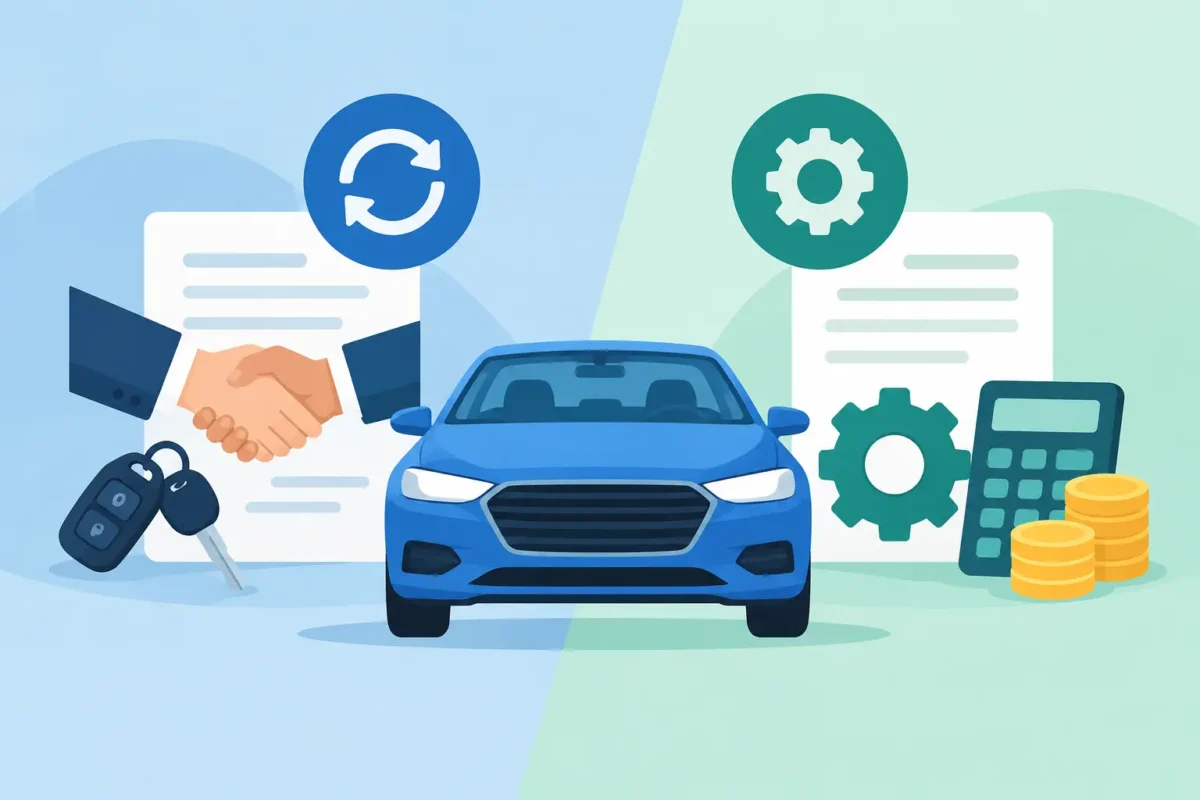
Your car payment is due, your budget is tight, and you need a realistic way to create breathing room. When comparing car refinance vs loan modification, the difference comes down to whether you qualify for a new loan with better terms or need your current lender to adjust the loan you already have.
Both options can lower a monthly payment, but they work very differently. The right choice depends on your credit, payment history, financial situation, and how quickly you need help.
Car Refinance vs Loan Modification: The Key Difference
A car refinance replaces your existing auto loan with a new loan. The new lender pays off the old balance, and you begin making payments under the new loan terms. If you qualify for a lower interest rate, a longer repayment term, or both, refinancing may reduce your monthly payment and potentially your overall borrowing costs.
A loan modification changes the terms of your existing loan through your current lender or servicer. It is typically a hardship option for borrowers who are struggling to make payments and may be at risk of falling behind. Your lender might extend the loan term, reduce the payment for a temporary period, or move missed payments to the end of the loan.
The simplest way to think about it is this: refinancing gives you a chance to shop for a better loan. A modification asks your current lender for relief because your existing loan is no longer manageable.
When Car Refinancing May Make Sense
Refinancing is often worth considering when your finances or credit profile have improved since you bought your vehicle. Maybe you accepted a high rate because you needed transportation quickly, or perhaps market rates have changed since you signed your original contract.
A refinance may be a good fit if you are current on your payments, have a vehicle that meets lender requirements, and can qualify for more favorable terms. Even if your interest rate does not drop significantly, extending the repayment period may lower your required monthly payment. That can free up cash for groceries, housing, insurance, or an emergency fund.
There is a trade-off. A longer term can reduce the payment but may increase the total interest you pay over the life of the loan. That is why it helps to look at both numbers: the monthly payment you need now and the total cost of the new loan.
For example, a borrower with a $500 monthly payment may refinance into a new loan with a $420 payment. The savings can make a real difference in a monthly budget. But if the new loan lasts longer, the borrower should understand how that affects total interest before accepting an offer.
Refinancing also gives you more choice. You can compare offers, loan terms, and payment amounts rather than relying only on the lender that currently holds your loan. At OpenRoad Lending, eligible drivers can explore refinancing options online and receive a no-obligation quote, helping them see whether a lower payment may be available before making a decision.
When a Loan Modification May Be the Better Move
A loan modification may be more appropriate if you are facing a short-term or serious financial hardship and cannot qualify for refinancing. Job loss, reduced work hours, unexpected medical expenses, or a major household change can make an otherwise reasonable car payment impossible to manage.
If you are already behind on payments or expect to miss one soon, contact your current lender as early as possible. Waiting until the account is severely delinquent can limit your options and increase the risk of repossession.
Modification programs vary by lender. Some may offer a temporary payment reduction. Others may extend the loan term, defer one or more payments, or add past-due amounts to the end of the loan. You will need to ask exactly how the arrangement changes your due date, payment amount, interest charges, and final payoff date.
A modification can provide needed short-term relief, but it is not automatically a less expensive solution. When payments are deferred or the term is extended, interest may continue to accrue depending on the agreement. In some cases, you may pay more over time even though the monthly payment becomes easier to handle.
Compare the Costs, Not Just the Payment
A lower payment is valuable, especially when your budget is stretched. But it should not be the only number you consider. Before agreeing to refinance or modify your loan, review the full picture.
With refinancing, ask about the interest rate, annual percentage rate, loan term, estimated monthly payment, and total amount you will repay. Also ask whether there are fees and whether your current loan has a prepayment penalty. Many auto loans do not have one, but checking your contract prevents surprises.
With a modification, get the proposed terms in writing. Find out whether missed payments are forgiven, deferred, or added back into the balance. Confirm whether your interest rate changes, how long the modified payment lasts, and what happens if you miss a payment under the new arrangement.
The best option is not always the one with the lowest payment. It is the option that helps you keep your vehicle, stay on track financially, and avoid creating a larger problem later.
How Credit and Payment History Can Affect Your Options
Your credit matters most when you refinance because lenders use it to help determine your eligibility and rate. A stronger credit profile, steady income, and a record of on-time payments can improve your chance of receiving favorable terms.
That does not mean refinancing is only for borrowers with perfect credit. Many drivers refinance because they want a more manageable payment, not because they have flawless credit. The key is to compare any offer against your current loan and make sure the new terms truly improve your situation.
Loan modifications are generally based more heavily on hardship and your lender’s policies. Still, your payment history can influence the options available. A lender may ask for proof of income, bank statements, or documentation showing why you need assistance.
Neither path should be treated casually. Missed payments, repossession activity, and certain hardship arrangements can affect your credit, depending on how your lender reports the account. Ask your lender how a modification will be reported, and keep records of every conversation and agreement.
A Practical Way to Choose
Start with your current position. If you are making payments but feel stuck with a high rate or payment, refinancing is usually the first option to explore. It may give you a lower payment, a better rate, or a more workable term without needing to prove a financial hardship.
If you cannot make your next payment and refinancing is not realistic right now, call your existing lender immediately to discuss hardship assistance or a modification. Be direct about what you can afford. Do not agree to a payment plan that only postpones the problem for a month or two.
There are times when both options deserve a look. For instance, a borrower may request short-term relief from the current lender while also checking whether a refinance could create a longer-lasting payment reduction. Just be sure you understand the terms of any agreement before moving forward.
Questions to Ask Before You Decide
Before you refinance, ask: What will my new payment be? How much interest will I pay over the full term? Is the rate fixed? Are there any fees? How soon can the new loan pay off my existing balance?
Before accepting a modification, ask: Is this change temporary or permanent? Will interest continue to accrue? Where do deferred payments go? Will the lender report the arrangement to credit bureaus? What happens if I cannot make the modified payment?
Clear answers help you make a decision based on facts, not pressure.
A car payment should support your life, not crowd out everything else in your budget. If you are current on your loan, checking refinance options may be a practical first step toward a lower payment and better terms. If hardship has made payments impossible, reaching out to your lender early can help you protect your transportation and give yourself room to recover.