Best Protection Products for Financed Vehicles

Best Protection Products for Financed Vehicles

A financed vehicle is more than transportation. It is a monthly payment, a major household expense, and often the car you need to get to work, school, appointments, and everything else on your schedule. The best protection products for financed vehicles can help limit certain costs when life takes an expensive turn – but only when the coverage matches your loan, vehicle, and budget.

The goal is not to buy every option offered in a dealership finance office. It is to understand where your financial exposure is highest, compare the value of each product, and choose protection that helps you keep moving without putting more pressure on your monthly budget.

Start With the Risk Your Auto Insurance Does Not Cover

Your auto insurance is essential, but it does not solve every financial problem connected to a car loan. Collision and comprehensive coverage may help pay for a covered loss, for example, but an insurance settlement may be based on your vehicle’s actual cash value, not the amount you still owe on the loan.

That difference matters most in the first few years of ownership, when vehicles can depreciate quickly and loan balances may still be high. Other costs can arise when a major mechanical component fails after the factory warranty ends or when illness, job loss, or another covered life event affects your ability to make payments.

Protection products are designed to address specific gaps. The right choice depends on the gap you actually have.

GAP Coverage Can Protect Against a Loan Shortfall

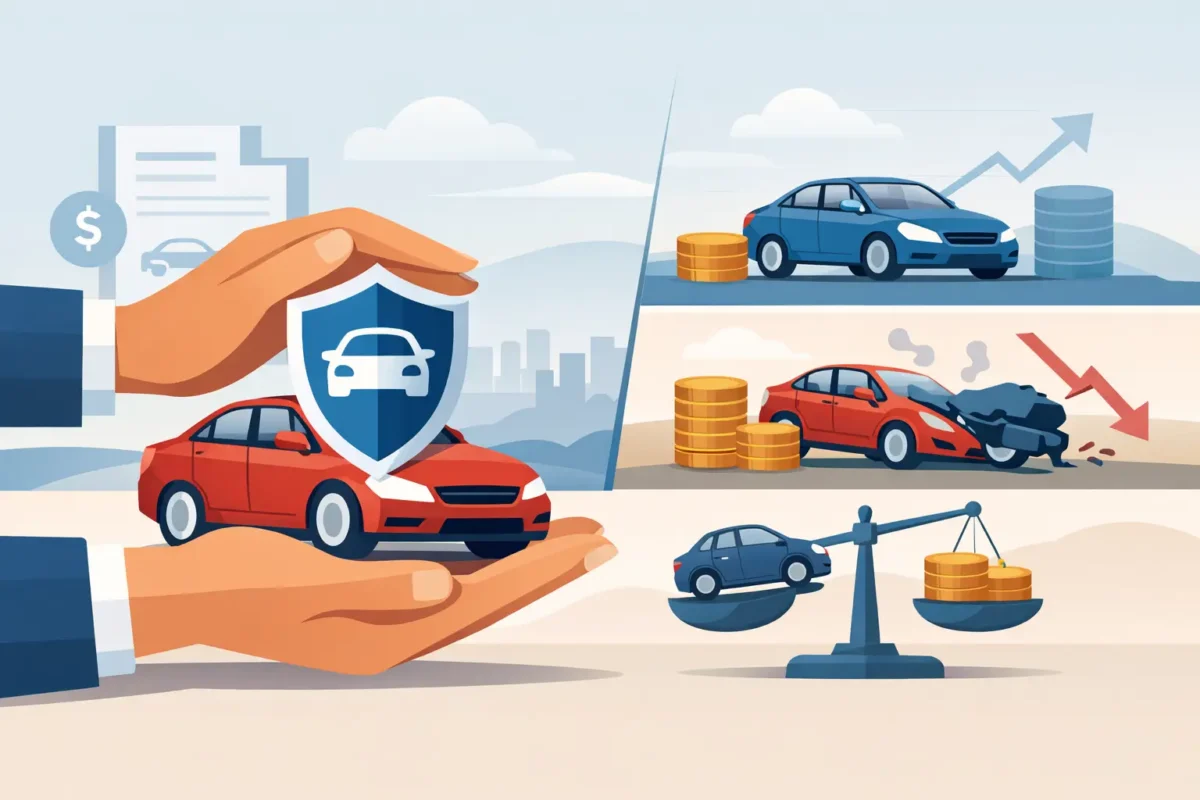
Guaranteed Asset Protection, commonly called GAP, is often one of the most relevant products for people with financed vehicles. If your vehicle is declared a total loss or stolen and not recovered, your insurer may pay the vehicle’s actual cash value. If that amount is less than your remaining loan balance, you could still owe money on a vehicle you can no longer drive.

GAP coverage may help with that difference, subject to the terms, exclusions, and limits of the agreement. It can be especially worth considering if you made a small down payment, rolled negative equity from a previous loan into your current financing, chose a longer loan term, or drive a vehicle that depreciates quickly.

Here is a simple example. Suppose you owe $24,000, but your insurer determines the vehicle’s value is $20,500 after a covered total loss. Without GAP, you may be responsible for the remaining $3,500, plus any applicable deductible. GAP may reduce or eliminate the covered loan shortfall, depending on your contract.

GAP is not automatically the right fit for everyone. If you have substantial equity in your vehicle or a very low loan balance, the potential benefit may be limited. Ask what the agreement covers, whether there is a maximum payout, and whether your deductible is included. Also confirm whether your existing auto policy, lender, or lease agreement already includes similar protection before paying for it twice.

A Vehicle Service Contract Can Help With Repair Bills

A vehicle service contract can help cover the cost of certain repairs after the manufacturer’s warranty expires. It is not the same as auto insurance. Insurance generally addresses covered accidents, theft, weather damage, and other sudden losses. A service contract focuses on covered mechanical breakdowns.

For a household managing a car payment, an unexpected transmission, engine, electrical, or air-conditioning repair can disrupt the budget fast. A service contract may give you more predictability by helping with eligible repair costs in exchange for the product price and, in some cases, a deductible.

The details matter. Some plans cover a broad list of components, while others protect only specifically named parts. Wear-and-tear items, maintenance, cosmetic damage, pre-existing conditions, and repairs caused by neglect are commonly excluded. Coverage may also vary by vehicle age, mileage, repair facility, and contract term.

Before choosing a service contract, read the agreement with the same care you would use for your loan documents. Look for the covered components, deductible amount, claim process, cancellation rules, transferability, waiting period, and any maintenance requirements. A lower upfront price is not always a better value if the coverage is narrow or the deductible is high.

Loan Protection May Help During a Covered Hardship

Some borrowers also consider loan protection products that may help make payments or pay down a balance after certain covered events. Depending on the product and state availability, coverage may relate to disability, involuntary unemployment, or loss of life.

This type of protection can be meaningful for families with limited emergency savings or a single income supporting the household. If a covered event interrupts your income, the ability to receive help with a vehicle payment could make it easier to protect your transportation and stay current on other essential bills.

Still, this coverage is not a replacement for an emergency fund or disability insurance. Eligibility rules, waiting periods, exclusions, benefit caps, and documentation requirements can all affect whether a claim is paid. Review the certificate carefully and ask how long benefits can last, what events qualify, and whether you can cancel the product if your needs change.

How to Choose the Best Protection Products for Financed Vehicles

The best decision starts with your numbers, not a sales pitch. Check your current loan payoff amount, your vehicle’s estimated value, your insurance deductible, the remaining factory warranty, and the cash you could realistically use for an emergency repair or payment disruption.

Then consider these practical questions:

  • Would a total loss leave you owing more than your insurance payout?
  • Is your factory warranty ending soon, or is your vehicle already outside of it?
  • Could a major repair force you to use high-interest credit or fall behind on bills?
  • Would a temporary loss of income make your auto payment difficult to manage?

If the answer is yes to one of these questions, a targeted protection product may be worth the cost. If the answer is no, or if you have enough savings and equity to absorb the risk, it may not be necessary.

Price should be clear before you agree to anything. Ask for the total cost, whether it is financed into the loan, and how it affects the amount you repay over time. Financing a product can make the monthly amount look smaller, but it may increase the total cost because interest is charged on the added balance.

Avoid Common Coverage Mistakes

One of the biggest mistakes is assuming a protection product is required. Many products are optional, even when they are presented alongside loan paperwork. Take the time to separate required insurance from optional protection and ask for written confirmation of what is mandatory.

Another mistake is focusing only on the monthly cost. A few extra dollars per month may seem manageable, but you should still evaluate the full financed cost and the likelihood that the product will help in your situation.

Finally, do not rely on verbal promises. Keep a copy of the contract, payment receipt, cancellation information, and instructions for filing a claim. If you refinance your auto loan, review any existing protection products to understand whether they remain in place, can be transferred, or may be canceled for a refund where permitted.

Protect the Vehicle and the Payment

A lower monthly payment can create valuable room in your budget, especially when you are balancing fuel, insurance, maintenance, and everyday expenses. If you are reviewing your auto loan, it can also be a smart time to review the protections connected to your vehicle. OpenRoad Lending helps eligible vehicle owners explore refinancing options designed to make auto financing simpler and more manageable.

Choose protection for the risk you cannot comfortably carry, not for every possibility. A clear look at your loan balance, vehicle value, warranty status, and household budget can help you make a confident decision that supports both your car and your financial peace of mind.

Read more
Online Lender vs Bank Refinance: Which Fits?

Online Lender vs Bank Refinance: Which Fits?

Your car payment may have made sense when you bought the vehicle. But if your credit has improved, interest rates have changed, or your budget needs more breathing room, it may be time to compare an online lender vs bank refinance option. The right choice is not always the lender with the biggest name. It is the one that offers a loan that works better for your goals.

Auto refinancing replaces your current loan with a new one. Depending on your credit, vehicle, current balance, and available offers, a new loan could lower your interest rate, reduce your monthly payment, change your repayment term, or all three. The key is comparing more than the advertised rate before you apply.

Online Lender vs Bank Refinance: The Main Difference

Banks and online lenders can both refinance auto loans, but they often deliver a different borrower experience.

A traditional bank may be a good fit if you already have a strong relationship there, prefer to do business in person, or qualify for a relationship discount. Some borrowers feel more comfortable walking into a branch and speaking with someone they know.

An online lender is built around digital speed and convenience. You can generally check your options from home, submit documents electronically, and receive a decision without rearranging your workday around branch hours. For drivers focused on lowering a payment quickly, that simpler process can matter just as much as the rate.

Neither choice is automatically better. A bank may offer a competitive refinance loan to an existing customer. An online lender may offer a faster process, broader availability, or loan options that better match your current financial situation. Compare actual offers, not assumptions.

Start With the Result You Want

Before comparing lenders, decide what refinancing needs to accomplish. Most borrowers have one primary goal: reduce the monthly payment, lower the interest rate, pay off the vehicle sooner, or adjust an auto loan that no longer fits their budget.

A lower rate can reduce the total interest you pay over the life of the loan. A longer repayment term can lower your required monthly payment, which may help create room in a tight household budget. But extending the term can also mean paying more total interest, even if the payment looks more comfortable.

For example, a borrower paying a high rate from a period of weaker credit may benefit from refinancing after building a stronger payment history. Another borrower may accept a longer term because freeing up cash each month is more important right now. Both choices can be reasonable when you understand the trade-off.

How Online Auto Refinance Can Save Time

The biggest practical difference with an online lender is often the application process. Instead of visiting a branch, printing paperwork, and waiting for a callback, you can usually begin online in minutes.

That does not mean you should rush through the details. You still need to review the loan amount, annual percentage rate, term length, monthly payment, and any applicable fees. But a digital process can make it easier to gather information, upload documents, and move forward when it is convenient for you.

At OpenRoad Lending, eligible drivers can begin exploring refinance options online without providing a Social Security number at the initial stage. That can make it easier to take the first step and see whether refinancing may be worth pursuing. If you have questions, refinance specialists can also help explain what information is needed and what comes next.

Speed can be especially valuable when your current payment is putting pressure on your budget. A streamlined process does not guarantee approval or savings, but it can help you get a clear answer sooner.

When a Bank Refinance May Make Sense

A bank refinance can be worth considering when your existing bank or credit union knows your financial history and offers a meaningful relationship benefit. You may also prefer a branch-based experience if you want face-to-face assistance with paperwork or have a more complex financial situation.

Credit unions, in particular, sometimes offer attractive auto refinance rates to members. If joining is easy and the offer is competitive, it may deserve a place in your comparison.

Still, do not assume your current bank will automatically provide the best deal. Banks may have narrower vehicle requirements, limited loan terms, slower review timelines, or rate offers that are not as competitive as what you can find elsewhere. Loyalty is valuable, but the numbers should lead the decision.

Compare the Full Loan Offer, Not Just the Payment

A low monthly payment can look like an immediate win. It may be one. But it is only one piece of the refinance picture.

When comparing an online lender vs. bank refinance offer, look at the annual percentage rate and the loan term together. Then consider the total amount of interest you could pay if you keep the loan until it is paid off. Also confirm whether the lender has minimum or maximum loan amounts, vehicle age or mileage limits, and any requirements related to your current loan.

Pay attention to these details before signing:

  • The interest rate and APR, including how they affect the cost of borrowing
  • The new monthly payment and when the first payment is due
  • The repayment term and whether it extends beyond your current payoff date
  • Any lender fees, title-transfer requirements, or prepayment penalties on your current loan
  • Whether optional products, such as GAP coverage or a vehicle service contract, are included or offered separately

Optional protection products can be useful for some drivers, particularly if they want help managing certain ownership risks. They should never be treated as an automatic add-on. Ask what is included, what it costs, and whether it fits your vehicle and financial needs.

Your Credit Still Matters, but It Is Not the Only Factor

Lenders commonly review your credit profile, income, payment history, current loan balance, vehicle details, and debt obligations. Stronger credit can improve your chances of qualifying for a lower rate, but borrowers do not need perfect credit to explore refinancing.

Your current loan matters, too. If you owe substantially more than the vehicle is worth, refinancing options may be limited. If your vehicle is older or has high mileage, some lenders may not be able to refinance it. A recent history of late payments can also affect available terms.

This is why a quote or prequalification process can be helpful. It turns a general idea – “I might save money” – into information you can evaluate. Read the terms carefully and make sure you understand whether an initial rate is estimated or final.

Questions to Ask Before You Choose

A refinance offer should make your finances easier to manage, not harder to understand. Ask the lender how long the process typically takes, what documents you will need, and whether they will handle the payoff of your existing auto loan.

You should also ask what happens if the final terms differ from the initial estimate. A reputable lender should be clear about the conditions that affect approval, rate, and payment. If an answer feels vague or you feel pressured to sign before reviewing the details, pause and compare other options.

Good customer support matters after the application, too. Refinancing involves your vehicle title, your current lender, and a new payment schedule. Clear communication can prevent confusion while the old loan is being paid off and the new loan begins.

Make the Comparison Work for Your Budget

The best refinance loan is personal. A bank may be the right match if it offers a great rate and the service experience you want. An online lender may be the better choice if you value a fast, convenient process and want to compare options without a branch visit.

Do not wait for the perfect financial moment if your current auto loan is already straining your budget. Gather your loan details, check your payoff amount, and compare offers based on the outcome you need most. A few minutes spent reviewing real terms could be the first step toward a lower payment and more room for what matters every month.

Read more
A Guide to No Obligation Refinance Quotes

A Guide to No Obligation Refinance Quotes

That car payment may have made sense when you signed your original loan. But a higher interest rate, a longer-than-needed term, or improved credit can leave you paying more each month than you need to. A guide to no obligation refinance quotes can help you see whether a better auto loan is available before you commit to anything.

A refinance quote gives you a look at potential loan terms based on the information you provide and the lender’s review. The key phrase is no obligation: getting a quote does not require you to accept an offer. You can review the estimated payment, rate, term, and total cost, then decide if refinancing supports your financial goals.

What a no obligation refinance quote can tell you

An auto refinance quote is more than a monthly payment estimate. It helps you compare what you have now with what may be possible through a new loan. Depending on your credit profile, vehicle, current loan balance, and lender requirements, you may be offered a lower rate, a lower payment, a different repayment term, or a combination of these benefits.

That comparison matters because the lowest monthly payment is not always the lowest-cost loan. Extending your repayment term can reduce what you pay each month, which may create welcome breathing room in your budget. However, if you make payments for longer, you could pay more interest over the life of the loan.

On the other hand, a lower interest rate paired with a similar or shorter term may reduce both your payment and the total interest you pay. The right option depends on what you need most right now: more monthly cash flow, a faster path to paying off your vehicle, or a better balance of both.

A quote is a starting point for a real financial decision, not a promise that every term will be available. Final loan terms can change after verification and a full review. Still, it gives you useful information without pressure to move forward.

When it makes sense to request a quote

You do not have to wait for a financial emergency to check your refinance options. Many drivers request quotes after their credit has improved, interest rates have shifted, or they realize their current payment is squeezing the household budget.

Refinancing may be worth exploring if your current rate feels high, your loan came from a dealership where you accepted the financing available at the time, or your financial situation is stronger than when you first financed the vehicle. A quote can also be useful if you need to lower your monthly payment to manage rising expenses.

It may not be the right move in every situation. If you are close to paying off your loan, refinancing could deliver limited savings. If your vehicle is worth less than the amount you owe, lender options may be more limited. And if lowering the payment requires stretching the loan much longer, take time to compare the full cost before accepting.

Gather the details lenders will need

Getting a no obligation quote is usually easier when you have a few loan and vehicle details ready. You do not need to become an auto finance expert. You just need accurate information so the estimate reflects your situation as closely as possible.

Have your current lender name, remaining loan balance, monthly payment, interest rate, and approximate payoff amount available. Your loan statement or online lender account can usually provide most of these details. You will also generally need your vehicle’s year, make, model, mileage, and VIN, along with basic information about your income and residence.

Accuracy matters. A quote based on an outdated balance or incorrect vehicle mileage may not match your final offer. If you are unsure about a detail, check your current loan statement rather than guessing.

Some lenders make the first step easier by allowing you to request an initial quote without providing a Social Security number. At OpenRoad Lending, for example, eligible applicants can begin the no-obligation quote process without a Social Security number at the initial stage. Requirements and credit review practices vary by lender, so read the application disclosures before submitting your information.

How to compare refinance quotes the smart way

A quote can feel exciting when it shows a lower payment. Before you make a decision, compare the full offer side by side with your current loan. Focus on the numbers that will affect your budget now and your total cost later.

Start with the annual percentage rate, or APR. It reflects the yearly cost of borrowing and may include certain fees, making it more useful than looking at the interest rate alone. A lower APR can be a meaningful advantage, but it should not be the only number you consider.

Next, review the new monthly payment and loan term. Ask yourself whether the payment is comfortably affordable and how many additional months you would be making payments. A payment that drops by $75 may be valuable if it helps you handle essential expenses. But if it adds years to your loan, calculate whether the extra interest is worth the short-term relief.

Also look for lender fees, prepayment penalties on your existing loan, and any conditions attached to the offer. Most auto loans do not have prepayment penalties, but you should confirm this with your current lender. A refinance lender should clearly explain its process, timing, and the information needed to finalize your application.

When comparing multiple quotes, use the same loan details and request them close together. That makes the comparison more meaningful because the loan balance, vehicle value, and market conditions are less likely to change between applications.

Questions to ask before you accept

Before you sign, make sure you can explain the offer in plain language. How much will the payment be? What is the APR? When will the loan be paid off? How much interest might you pay over the life of the new loan? Are there fees? What happens next with your old lender?

You should also ask whether optional products are included in the financing amount. Products such as GAP coverage or a vehicle service contract may provide protection that fits some drivers’ needs, but they are separate choices from the refinance loan itself. Review the cost, coverage, exclusions, and cancellation terms before adding any product to your loan.

A trustworthy refinance experience should give you room to ask questions. If a term is unclear, ask a refinance specialist to walk you through it before you agree. You should never feel rushed into accepting a loan you do not understand.

Avoid common refinance quote mistakes

The biggest mistake is stopping at the advertised payment. A lower payment can be a real win, but only when you understand what created it. Was it a better rate, a longer term, or both? The answer changes the long-term value of the offer.

Another mistake is assuming a quote is identical to final approval. Quotes are useful estimates, but lenders may need to verify employment, income, insurance, the vehicle, and loan payoff details. Changes during that review can affect final terms or eligibility.

Finally, do not ignore your current lender while the refinance is in progress. Continue making scheduled payments until you receive confirmation that the old loan has been paid off. Missing a payment during the transition can create late fees and hurt your credit.

Put the quote to work for your budget

A no obligation refinance quote gives you information, and information gives you choices. You may find a lower payment that helps free up money for groceries, savings, insurance, or other priorities. You may find a lower rate that makes it possible to pay off your vehicle sooner. Or you may decide your current loan is already the better fit.

Any of those outcomes can be useful. The goal is not to refinance just because an offer is available. It is to understand your options clearly enough to choose the auto loan that supports the life and budget you are building.

Read more
Car Loan Refinance Calculator and Your Savings

Car Loan Refinance Calculator and Your Savings

A high monthly car payment can squeeze everything else in your budget, from groceries to savings goals. A car loan refinance calculator gives you a fast way to see whether a different interest rate, loan term, or payment structure could give you more breathing room each month.

It takes only a few numbers to get a useful estimate. More importantly, it helps you compare the payment you have now with a refinance option before you apply. You can see the trade-off clearly: a lower payment may improve your cash flow, while a lower rate or shorter term may reduce the total interest you pay.

What a Car Loan Refinance Calculator Shows You

A refinance calculator estimates what your new auto loan payment could look like based on your remaining balance, possible annual percentage rate, and chosen loan term. It can also show how much you may save each month and how your total cost could change over time.

To get a meaningful estimate, enter the numbers that reflect your current loan as closely as possible. Most calculators use four core details:

  • Your remaining loan balance
  • Your current monthly payment and interest rate
  • The estimated refinance interest rate
  • The number of months you want for your new loan

Your current loan statement or online account should have most of this information. If you do not know your exact payoff amount, use your best estimate for an initial comparison, then confirm the number with your current lender before moving forward.

The result is an estimate, not a loan offer or guarantee. Your final rate, payment, and terms depend on factors such as your credit profile, vehicle eligibility, income, outstanding balance, and the lender’s approval requirements. Still, an estimate can quickly tell you whether refinancing deserves a closer look.

Start With the Number That Matters Most

For many drivers, the first question is simple: “How much could my monthly payment change?” That is where a car loan refinance calculator can be especially helpful.

Say you still owe $18,000 on your vehicle. You may have a high rate from when you bought the car, or you may have accepted a longer loan because the payment fit your budget at the time. If refinancing qualifies you for a lower rate, your payment could decrease without extending your loan by much. That difference can free up money for insurance, repairs, debt payments, or everyday expenses.

But do not stop at the monthly savings figure. A lower payment can come from a lower interest rate, a longer repayment term, or both. Those outcomes are not the same. A lower rate generally means you pay less interest on the money you borrow. A longer term spreads your balance across more months, which can lower the payment but may increase total interest paid over the life of the loan.

The right choice depends on your priority. If you need immediate room in your budget, a lower monthly payment may be the practical goal. If your finances are steady and you want to reduce borrowing costs, a shorter term or lower rate may make more sense.

How to Compare Refinance Scenarios

Try more than one set of numbers. A calculator is most useful when you use it to compare realistic options instead of searching for one perfect result.

Start with your current payment and remaining loan term. Next, test a refinance rate that may be lower than your current rate. Then compare a few different term lengths, such as 36, 48, 60, or 72 months. You will quickly see how the term changes both your payment and your total estimated interest.

For example, choosing a 60-month term instead of a 48-month term may reduce your monthly obligation. That can be valuable if your payment is causing financial pressure. However, if the 48-month option still fits your budget, it may help you finish paying off your vehicle sooner and potentially spend less in interest.

Also consider your remaining balance and the age of your vehicle. A refinance loan must meet the lender’s vehicle and balance guidelines, and not every loan structure will be available for every car owner. Use the calculator as a planning tool, then review your actual options when you request a quote.

When Refinancing May Be Worth Checking

You do not need to wait for a financial emergency to see if refinancing could help. It may be worth running the numbers if your credit has improved since you got your original auto loan, market rates have changed, or your current payment no longer works well with your budget.

It can also make sense if you bought your vehicle when rates were higher, financed through a dealership without shopping for alternatives, or selected a loan term quickly just to complete the purchase. Your original loan was right for one point in time. Your financial situation may be different now.

Refinancing is not automatically the best move in every situation. If you are close to paying off your loan, the potential savings may be limited. If your existing rate is already very low, a new loan may not improve your costs. And if extending your term would keep you in debt much longer, make sure the lower payment is worth the added interest.

A calculator helps you make that decision with numbers instead of assumptions.

Look Beyond the Payment

A lower payment can be a real win, but it should not be the only number you review. Compare the estimated annual percentage rate, total interest, length of the new loan, and any applicable fees. Ask whether the refinance option supports your goal for the vehicle and your overall budget.

If you plan to keep your vehicle for several years, refinancing into a lower rate could be especially appealing. If you may sell or trade in the vehicle soon, focus on how the refinance affects your payoff amount and how quickly you build equity. The best term is often the one that balances a manageable monthly payment with a reasonable total borrowing cost.

You can also consider protection options as part of the larger ownership picture. Depending on your needs, products such as GAP coverage or a vehicle service contract may offer added peace of mind. These are separate decisions from refinancing, so review their costs and coverage carefully rather than assuming they are right for every driver.

Turn an Estimate Into a Real Refinance Option

Once the calculator suggests potential savings, the next step is getting a personalized quote. Have your vehicle information, current loan details, income information, and contact information ready. This can make the process faster and help you compare an actual offer against your current loan.

At OpenRoad Lending, eligible drivers can start the refinance process online and receive help from refinance specialists along the way. A quote lets you see terms based on your own circumstances, not just a general estimate. There is no reason to keep guessing about a payment that may be costing you more than it should.

Before accepting any offer, review the new payment, APR, term, and total amount financed. Make sure you understand when your first payment is due and confirm that your old lender receives the payoff. Keeping copies of your loan documents and payoff confirmation can help you stay organized through the transition.

Your car is already part of your daily life. If its loan payment is taking too much from your monthly budget, take a few minutes to run the numbers. The right refinance option may not solve every financial challenge, but it can be a practical step toward a payment that works better for you.

Read more
How to Replace a High Interest Car Loan Today

How to Replace a High Interest Car Loan Today

A car payment that once felt manageable can become a monthly strain fast. If your rate is high, your budget has changed, or you accepted the first financing offer available, you may be able to replace a high interest car loan with a refinance loan that better fits where you are now.

Refinancing does not mean giving up your vehicle or starting over with a new car purchase. It means replacing your existing auto loan with a new one. The new lender pays off the old balance, and you make future payments under your new rate, term, and payment schedule.

When It Makes Sense to Replace a High Interest Car Loan

The most obvious reason to refinance is a lower interest rate. Even a modest rate reduction can lower the cost of borrowing, especially if you have a sizable balance and years left on your loan. But a lower rate is not the only reason to explore your options.

Many drivers refinance to lower their monthly payment and create more room for groceries, rent, utilities, insurance, or savings. Others want to shorten their loan term so they can pay off their vehicle sooner. The right choice depends on what matters most to your household right now: immediate payment relief, less interest over time, or a balance of both.

You may be a stronger refinance candidate than you were when you bought the vehicle. Perhaps your credit has improved through on-time payments, your income is more stable, or market rates have changed since you signed your original contract. Your current loan does not have to be permanent simply because it was the best option at the time.

Signs it may be worth getting a quote

Consider checking refinance offers if your current rate seems high, your monthly payment is stretching your budget, or you financed your vehicle when your credit profile was less established. It can also be useful if you bought from a dealership and felt pressured to take the financing offered without much time to compare.

A refinance quote gives you real numbers to evaluate. You do not need to guess whether a different loan could help. Compare the proposed rate, estimated payment, loan term, and total amount you would repay before deciding.

How Auto Loan Refinancing Works

The refinance process is generally straightforward. You apply with information about yourself, your current loan, and your vehicle. The lender reviews your application, credit profile, income, vehicle details, and remaining loan balance. If approved and you accept the offer, the new loan pays off the existing lender.

From there, you make payments to the new lender. Your old auto loan should show a zero balance once the payoff is processed, though it is smart to confirm that payoff with your prior lender and keep your records.

The vehicle remains yours to drive. In most cases, the lender simply changes its lienholder status while the loan is active. You may need to update your insurance company with the new lender’s information after the refinance is complete.

What Lenders Look At Before Offering a New Loan

A refinance lender wants to understand both your ability to repay and the value of the vehicle securing the loan. Credit is one factor, but it is not the whole picture. Lenders may also consider your payment history, income, current debt obligations, vehicle age, mileage, loan balance, and the amount of time left on your current loan.

Your loan-to-value ratio can matter as well. This compares what you owe with what the vehicle is worth. If you owe much more than the vehicle’s value, refinancing may be more difficult or may not produce the terms you want. That does not mean it is never possible, but it makes comparing offers especially important.

Having a recent pay stub, proof of residence, vehicle registration, insurance information, and your current loan statement ready can help you move through the process faster. Your loan statement typically includes the payoff amount, account number, interest rate, and current payment.

Lower Payment or Shorter Term? Know the Trade-Off

A lower monthly payment can provide meaningful relief, but it is worth looking at how that payment is created. Sometimes the new lender lowers your payment through a better interest rate. Other times, the payment drops because the repayment period is extended.

Extending the term can be the right move when cash flow is the immediate priority. A lower payment may help you avoid falling behind on other bills and make your budget more predictable. The trade-off is that keeping a loan longer can increase the total interest paid, even if the rate is lower.

If your budget allows, a shorter loan term may help reduce total interest and get you out of debt sooner. The payment could be higher, though. There is no one best refinance structure for every driver. Focus on the option that supports your financial goals without creating a payment you will struggle to maintain.

Compare the Numbers That Matter Most

Do not choose a refinance offer based on the monthly payment alone. A payment that looks attractive can come with a longer term or fees that change the overall value of the loan. Review the complete offer carefully.

Pay close attention to the annual percentage rate, the number of months in the new term, the estimated monthly payment, and the total amount of payments over the life of the loan. Also ask whether there are any fees, prepayment penalties on your existing loan, or requirements related to vehicle age, mileage, or insurance coverage.

A simple comparison can make the decision clearer. Put your current loan details next to the new offer. If the refinance lowers your payment, determine whether the savings match your needs. If it lowers your total borrowing cost, estimate how much you could save over time. If it does both, that may be a strong reason to move forward.

Steps to Take Before You Apply

Start by reviewing your current loan statement. Confirm your interest rate, monthly payment, remaining balance, payoff amount, and months left on the loan. This gives you a clear baseline for any new offer.

Next, check your budget. Decide whether your main goal is reducing the payment, reducing the rate, paying off the car sooner, or finding a healthier combination of those outcomes. Knowing your goal helps you evaluate offers with confidence instead of reacting to the first number you see.

Then gather your basic information and request a refinance quote. A digital process can make this easier, especially when you need answers quickly. OpenRoad Lending provides an online refinance experience designed to help eligible vehicle owners explore better loan terms without unnecessary complexity.

Finally, read the final loan documents before accepting. Make sure the payment, rate, term, and any optional products are what you expected. Optional protection products, such as GAP coverage or a vehicle service contract, may be valuable for some drivers, but they should fit your needs and budget rather than being treated as automatic additions.

What If You Do Not Get the Terms You Want?

A refinance application does not always result in a lower rate or payment. Vehicle value, remaining balance, credit history, and lender requirements can affect the offer. If the numbers do not improve your situation, it may make sense to keep your current loan for now rather than force a change that costs more in the long run.

You can still take productive steps. Continue making every payment on time, reduce other high-cost debt if possible, avoid adding unnecessary balances to credit cards, and revisit refinancing after your credit profile or loan balance improves. A few months of positive payment history can make a difference.

Replacing an expensive auto loan is not about chasing the lowest advertised number. It is about finding a payment and term that give your budget more breathing room while keeping your long-term costs in view. A no-obligation quote can be a practical first step toward a car loan that works harder for you, not against you.

Read more
Best GAP Coverage Options for Your Auto Loan

Best GAP Coverage Options for Your Auto Loan

A vehicle can be totaled in seconds, but the loan balance does not disappear with it. If your insurer pays less than you still owe, GAP coverage may help with the remaining covered balance. The best gap coverage options depend on where you buy the protection, what the contract excludes, and whether the cost works for your budget.

For drivers who financed a newer vehicle, rolled an old loan balance into a new one, or made a small down payment, this protection can offer real peace of mind. The right choice is not always the one offered first at the dealership. Take a few minutes to compare the price, terms, cancellation rules, and coverage limits before adding it to your loan.

What GAP Coverage Is Designed to Do

GAP stands for Guaranteed Asset Protection. It is meant to help when a covered vehicle is declared a total loss or is stolen and not recovered. Your auto insurance company generally pays the vehicle’s actual cash value, which is what the car was worth immediately before the loss, not what you originally paid for it.

If you owe more than that insurance settlement, you have negative equity. GAP coverage may pay some or all of the difference between the settlement and your covered loan or lease payoff amount. Without it, you could be responsible for paying a loan on a vehicle you can no longer drive.

For example, imagine your insurance settlement is $19,000 after a total loss, but your loan payoff is $23,000. A qualifying GAP policy could help cover the $4,000 difference, subject to its terms and exclusions. It usually does not cover a new vehicle, routine repairs, late fees, missed payments, or every loan-related charge.

Best GAP Coverage Options to Compare

There is no single best choice for every borrower. The most practical option often comes down to your vehicle, insurance carrier, loan terms, and how long you expect to keep the loan.

GAP Through Your Auto Insurer

Many auto insurance companies offer GAP as an endorsement to a full-coverage policy. For eligible drivers, this can be one of the most affordable ways to add protection because the cost is typically included in your insurance premium instead of added to your loan balance.

The trade-off is availability. Insurers may limit GAP endorsements to newer vehicles, original owners, or loans below a certain loan-to-value amount. You may also need collision and comprehensive coverage. Ask how the insurer calculates the covered gap and whether it includes your insurance deductible.

GAP From the Dealership

Dealers commonly offer GAP when you purchase a vehicle. This can be convenient because the coverage is available at the same time as financing, especially if you are focused on getting your vehicle and loan finalized quickly.

Convenience can come at a cost. If the premium is rolled into your auto loan, you may pay interest on it for the life of the loan. The price can vary widely, so ask for the total dollar cost, not just the effect on your monthly payment. Also ask whether you can cancel later and receive a refund of any unused portion if you sell, trade in, or pay off the vehicle early.

GAP Offered With Financing or Refinancing

Some lenders and refinance providers offer optional GAP protection with an eligible loan. This may be worth considering if you are changing your loan terms and want to review your protection at the same time.

Read the details closely. Eligibility requirements, coverage caps, and cancellation procedures differ by provider and state. If a refinance lowers your rate or payment, it can improve your monthly cash flow, but it does not automatically move existing GAP coverage to the new loan. Confirm whether your current policy ends when the old loan is paid off and whether your new loan needs separate coverage.

Standalone or Credit Union GAP Programs

Some credit unions, finance companies, and specialized providers offer GAP separately from a dealership purchase or insurance policy. These programs can give you another quote to compare when your insurer does not offer an endorsement or when you want different features.

Availability may be limited, and the policy language matters more than the sales pitch. Make sure the provider is authorized to sell the product in your state, understand how claims are handled, and keep a copy of the agreement with your auto insurance documents.

When GAP May Make Sense

GAP coverage is often most useful early in a loan, when depreciation can outpace how quickly your balance falls. It may be a smart consideration if you made a down payment of less than 20%, financed taxes and fees, chose a longer loan term, or carried negative equity from a previous vehicle into your current loan.

It can also make sense for drivers whose vehicle depreciates quickly or who need to protect a tight household budget from an unexpected balance after a total loss. A lower monthly payment can create breathing room, but it does not change the amount you would owe if the car is totaled. That is why your loan payoff and your vehicle’s value should both be part of the decision.

GAP may be less necessary if you made a large down payment, have paid down the loan substantially, or owe less than the vehicle’s current value. Check your payoff amount and compare it with a realistic estimate of your vehicle’s market value. If there is little or no gap, continuing to pay for coverage may not be the best use of your money.

Compare the Contract, Not Just the Price

A low premium is appealing, but the cheapest policy is not automatically the strongest value. Before you choose, request the full terms and look for the details that can affect a claim.

Pay attention to the maximum amount the policy will pay and whether it covers your insurance deductible. Some policies limit coverage to a percentage of the vehicle’s value or exclude balances created by skipped payments, late charges, prior damage, extended warranties, service contracts, or amounts added after the loan began.

Also review the waiting period, claim process, and cancellation policy. If you pay off your loan early, sell the vehicle, or refinance, you may be entitled to a refund for the unused portion of a financed GAP product. Do not assume the refund will happen automatically. Ask what paperwork is required and get confirmation in writing.

A Simple Way to Choose the Right Option

Start by calling your auto insurer and asking whether it offers GAP for your vehicle. Then compare that quote with any dealer, lender, or refinance option available to you. Use the same questions for each provider: What is the total price? Is it financed? What does it exclude? Does it cover the deductible? How do I cancel it if my loan ends early?

Next, check your current loan payoff. A refinance can be an opportunity to understand the full cost of your auto loan, including optional products. At OpenRoad Lending, refinance specialists can help borrowers explore loan options, while customers should always review any available protection product terms carefully before deciding.

The most useful GAP coverage is the one that protects a real financial risk without adding unnecessary cost. If your loan balance is higher than your vehicle’s value, get clear answers now. That small step can help protect your budget if the unexpected happens.

Read more
Can You Refinance an Older Vehicle? Yes, Often

Can You Refinance an Older Vehicle? Yes, Often

Your car may have a few more miles on it, but that does not automatically mean your current loan is stuck. Can you refinance an older vehicle? In many cases, yes. The real question is whether your vehicle, remaining loan balance, and financial profile meet a lender’s requirements.

For drivers trying to make room in a monthly budget, refinancing an older car can be worth a closer look. A lower interest rate, a different repayment term, or both could reduce your payment and make the loan easier to manage. Approval is never guaranteed, but vehicle age alone is not the whole story.

Can You Refinance an Older Vehicle?

Yes, older vehicles can often be refinanced. Lenders typically consider the vehicle’s model year, mileage, condition, and current value along with your credit profile, income, and existing loan details. Each lender sets its own guidelines, so a vehicle that does not qualify with one company may still be eligible elsewhere.

Age and mileage matter because they help a lender estimate the vehicle’s value. As a car gets older, depreciation, repair risk, and high mileage can make the loan more difficult to approve. But a well-maintained vehicle with a reasonable balance may still be a strong candidate, especially if you have improved your credit or your current rate is higher than what you could qualify for now.

The most common roadblock is not simply that the car is old. It is owing substantially more than the vehicle is worth. When the loan balance is much higher than the car’s value, refinancing options can be more limited.

What Lenders Usually Review

A refinance lender looks at both the vehicle and the borrower. That review helps determine whether the loan makes sense and what rate and terms may be available.

Vehicle age, mileage, and value

Some lenders have maximum age or mileage limits. Others are more flexible, particularly when the vehicle still has solid resale value. A 10-year-old vehicle with moderate mileage may be viewed very differently from a 10-year-old vehicle with 200,000 miles.

Your vehicle’s current market value is also central to the decision. If you owe $8,000 on a vehicle valued near $10,000, the loan may be easier to refinance than if you owe $12,000 on that same vehicle. Exact valuations can vary based on trim, condition, location, and vehicle history.

Your remaining loan balance

Most refinance loans need to meet a lender’s minimum and maximum loan amount. If you only have a small amount left to pay, refinancing may not provide enough savings to justify a new loan. On the other hand, a high balance relative to the vehicle’s value can make approval harder.

Before applying, check your current payoff amount rather than relying only on the balance shown on an older statement. The payoff figure tells you what it would take to fully close out your existing loan today.

Credit, payment history, and income

Refinancing can be especially helpful if your credit has improved since you bought the vehicle. Maybe you made on-time payments, paid down credit card balances, or resolved past-due accounts. Those changes could help you qualify for a better rate than the one attached to your original auto loan.

Lenders may also review your payment history and ability to repay the new loan. Consistent income and a record of on-time auto payments can strengthen an application. If your credit is still a work in progress, you may still have options, though the savings available could be different.

When Refinancing an Older Car May Make Sense

The goal is not just to replace one loan with another. Refinancing should support a clear financial purpose, whether that is lowering your monthly payment, reducing interest costs, or changing a loan term that no longer fits your budget.

It may be worth applying for a quote if your current interest rate is high, your credit has improved, or your monthly payment is putting pressure on your household finances. Extending the repayment term can lower the payment, which may free up cash for groceries, insurance, repairs, or other essential expenses.

There is a trade-off to consider. A longer term can make monthly payments more manageable, but it may also mean paying more interest over the life of the loan. A lower rate can help offset that cost, but every offer is different. Review the rate, payment, term, and total loan cost together before deciding.

Refinancing may also be useful if your original loan included terms that no longer serve you. For example, you may have financed through a dealership at a higher rate when you needed a vehicle quickly. After a period of steady payments, you may be in a better position to seek more favorable terms.

When It May Be Harder to Qualify

Older vehicles can be tougher to refinance when they have very high mileage, significant mechanical issues, salvage or rebuilt titles, or a low market value. A large gap between the loan payoff amount and vehicle value can also limit eligibility.

That does not mean you should assume the answer is no. Requirements differ, and a no-obligation quote can show whether you have an option without committing you to a new loan. If you do not qualify today, improving your credit, paying down the existing balance, or waiting until your finances are stronger may improve your chances later.

Be realistic about the car’s condition, too. If major repairs are likely, refinancing will not eliminate those ownership costs. It can still lower the loan payment, but your budget should account for maintenance, insurance, registration, and expected repairs.

How to Prepare to Refinance an Older Vehicle

Getting organized before you apply can make the process faster. Have your current loan information available, including the lender name, account details, estimated payoff amount, monthly payment, and current interest rate. You will also want your vehicle’s year, make, model, mileage, and vehicle identification number.

Take a look at your budget before choosing a new term. A lower payment can provide immediate relief, but choose a payment you can comfortably sustain. If you can afford to keep a similar payment while qualifying for a lower rate, you may be able to pay the loan off sooner or reduce total interest costs.

It also helps to review your credit report for errors before applying. Incorrect late payments, accounts that do not belong to you, or outdated balances can affect the terms you receive. Addressing mistakes early gives you a clearer picture of your financial standing.

Compare the full offer, not only the payment

A lower monthly payment gets attention for good reason, especially when money is tight. Still, it should not be the only number you review. Look at the annual percentage rate, the number of months in the new loan, any applicable fees, and the total amount you would repay.

Ask whether the offer will pay off your current lender directly and when your first new payment would be due. Keep making payments on your existing loan until you receive confirmation that it has been paid off. That simple step can help prevent accidental late payments during the transition.

A Simple Way to Check Your Options

You do not need a brand-new vehicle to explore a better auto loan. If your car still has enough value and your loan and credit profile meet the lender’s criteria, refinancing may be possible. OpenRoad Lending offers a streamlined way for eligible drivers to check refinance options online and see whether a lower payment or better terms may be within reach.

A quick quote can give you practical information to work with: what payment may be available, how the term could change, and whether refinancing makes financial sense for your situation. There is no benefit in guessing based on your vehicle’s age alone.

Your older car has already carried you through plenty of miles. If its loan is still costing more than it should, checking your refinance options could be a practical next move toward a payment that fits your life better.

Read more
How to Get a Lower Car Payment Without Guesswork

How to Get a Lower Car Payment Without Guesswork

That auto loan payment can feel a lot bigger when groceries, insurance, rent, and everyday expenses all rise at once. If your vehicle still fits your life but the payment no longer fits your budget, a lower car payment may be possible without trading in your car or starting over at the dealership.

For many drivers, auto loan refinancing is a practical place to start. It may help you replace your existing loan with a new one that has a lower interest rate, a longer repayment term, or both. The right option depends on your credit, your vehicle, your current loan, and whether your priority is monthly breathing room, lower total interest costs, or a balance of both.

Start With the Numbers Behind Your Current Payment

Before you try to change your payment, get a clear view of what you have now. Pull up your latest loan statement and look for your remaining balance, interest rate, monthly payment, number of payments left, and whether your loan has a prepayment penalty. Most auto loans do not have one, but it is worth confirming.

Your payment is primarily shaped by three things: the amount you still owe, your annual percentage rate, and the time remaining on the loan. A high rate can make even a modest loan balance expensive. A short remaining term can also keep payments high, even if the interest rate is reasonable.

Knowing these details helps you compare offers on more than the advertised monthly payment. A lower payment is valuable when it improves your cash flow, but the loan terms should still make sense for your overall financial picture.

Refinance for a Lower Car Payment

Refinancing means taking out a new auto loan to pay off your current one. After that, you make payments to the new lender under the new terms. For qualified borrowers, refinancing can lower a car payment in two main ways.

First, you may qualify for a lower interest rate. This is especially common when your credit has improved since you originally financed your vehicle. On-time payments, lower credit card balances, and a stronger credit profile can all affect the rate you may receive.

Second, you may choose a longer loan term. Spreading the remaining balance over more months can bring down the required payment. This can be a major help when you need more room in your monthly budget.

There is a trade-off. Extending your term can mean paying more interest over the life of the loan, even if your payment drops. That does not automatically make it the wrong move. If a lower payment helps you avoid falling behind on bills, build an emergency cushion, or handle a temporary financial squeeze, the flexibility may be worth it. The key is to understand the full offer before accepting it.

When Refinancing May Make Sense

Refinancing is not only for people with perfect credit or brand-new vehicles. It may be worth exploring if your credit score has improved, interest rates available to you are better than when you bought the car, or your current payment is putting pressure on your budget.

It can also make sense if you financed through a dealership when you needed a car quickly. Dealer-arranged financing can be convenient, but it is not always the most competitive option available to you. Checking whether you qualify for different terms gives you information and control.

Timing matters, though. Refinancing may be harder if you owe significantly more than the car is worth, your vehicle is older or has high mileage, or you have very little time left on your current loan. Even then, an application or quote can help you understand your options. You do not need to guess whether a lower payment is realistic.

Compare More Than the Monthly Number

A lower payment grabs attention because it is the number you see leave your bank account each month. But two refinance offers with the same payment can have very different long-term costs. Compare the interest rate, loan term, total of payments, and any fees that may apply.

Ask yourself a simple question: what problem am I trying to solve? If your top goal is reducing monthly pressure, a longer term may be the right fit. If you can keep your payment similar while lowering your rate and shortening the term, you may save more over time. If you want both a lower payment and a lower rate, the amount you save will depend on your remaining balance and eligibility.

Also consider how long you expect to keep the vehicle. Extending a loan on a car you plan to sell soon could leave you with a payoff amount that is higher than you expect. On the other hand, if the car is reliable and you plan to drive it for years, a refinance structured around your budget may be easier to manage.

Improve Your Chances Before You Apply

You do not have to wait for a perfect financial moment to look into refinancing. Still, a few simple steps can put you in a stronger position.

Make every current loan payment on time. Payment history matters, and even one late payment can affect your options. Review your credit reports for errors, especially incorrect late payments or balances. Paying down revolving credit card debt may also improve your debt-to-income picture and help strengthen your credit profile over time.

It is also helpful to gather accurate vehicle and loan information before you apply. Have your vehicle identification number, mileage, current lender, payoff amount, and income details available. That can make the process faster and reduce surprises later.

Be honest about what you can comfortably pay. A payment that looks manageable on a good month may become stressful when an unexpected repair, medical bill, or seasonal expense arrives. The right payment is one that leaves room for real life.

Avoid These Common Lower-Payment Mistakes

The first mistake is focusing only on the lowest possible monthly payment. A very long loan term can provide immediate relief, but it may increase the total amount you pay and keep you in debt longer. Review the full loan details, not just the headline number.

The second is assuming your old rate is permanent. Many drivers never check refinance options after their original purchase. If your financial situation has changed, your loan may no longer reflect what you qualify for now.

The third is rolling unrelated expenses into your auto financing without understanding the cost. Optional protection products, such as a vehicle service contract or GAP coverage, can offer valuable protection in the right situation. But they should be evaluated based on your needs, price, coverage, and how they affect your loan amount.

Finally, do not put off action until you miss payments. Refinancing options are generally better when your account is in good standing. If your payment is getting difficult, looking at your choices early can give you more flexibility.

A Simple Way to Move Forward

Start by checking your current loan details, then see whether a refinance offer could improve your payment or terms. A quote should make it easier to compare your options without pressure. Look for a lender that explains the numbers clearly, offers support when you have questions, and lets you decide whether the loan works for you.

OpenRoad Lending helps eligible vehicle owners explore refinancing with a fast online process and support from refinance specialists. The goal is straightforward: help you see whether a better rate, adjusted term, or lower monthly payment may be available for your situation.

A lower payment is not just a number on a statement. It can be money for a utility bill, a growing savings account, school supplies, or simply a little more peace of mind each month. Take a few minutes to see what your current auto loan is really costing you, and choose the next step that gives your budget more room to work.

Read more
8 Signs You Need GAP Coverage for Your Car Loan

8 Signs You Need GAP Coverage for Your Car Loan

A serious accident can turn an already stressful day into a financial setback if your vehicle is declared a total loss and the insurance payment does not cover your remaining loan balance. Knowing the signs you need GAP coverage can help you decide whether this optional protection makes sense before you need it.

GAP stands for Guaranteed Asset Protection. In many situations, it may help cover the difference between what your primary auto insurer pays for a covered total loss and what you still owe on your auto loan. That difference can be thousands of dollars, particularly early in a loan term. It is not right for every driver, but it can offer valuable peace of mind for borrowers whose loan balance may be higher than their car’s current value.

What GAP Coverage Can Help With

When a car is totaled or stolen, your comprehensive or collision insurance generally pays the vehicle’s actual cash value, subject to your deductible and policy terms. Actual cash value is based on what the vehicle was worth immediately before the loss, not what you paid for it or what you still owe.

Cars can depreciate quickly, especially in the first few years of ownership. If you financed a newer vehicle with little money down, you may owe more than the insurer’s settlement amount. This is often called being “upside down” or “underwater” on your loan.

GAP coverage is designed to address that shortfall in qualifying situations. Terms, exclusions, deductibles, and covered amounts vary by provider and agreement, so read your contract carefully. GAP does not replace auto insurance, and it does not typically cover late payments, missed payments, vehicle repairs, or a loan balance that grew because of unrelated fees.

8 Signs You Need GAP Coverage

1. You made a small down payment

A low down payment can make a vehicle more accessible now, but it also means you begin your loan owing close to the full purchase price. Meanwhile, depreciation starts as soon as the vehicle is driven. If a total loss occurs early in the loan, your insurance settlement may be less than your payoff amount.

This is one of the clearest signs GAP coverage deserves a closer look. The less equity you start with, the more likely a gap could exist.

2. Your loan term is 60 months or longer

Longer terms can help lower the monthly payment, which may make room in your budget. The trade-off is that you can build equity more slowly, especially during the first half of the loan.

With a 72- or 84-month auto loan, it may take longer for your balance to catch up with the vehicle’s declining value. GAP coverage can be worth considering when payment flexibility is a priority but you want protection against a potential payoff shortfall.

3. You rolled debt from your previous vehicle into this loan

If you traded in a car that was worth less than the amount you owed, the unpaid balance may have been included in your new financing. This can increase your starting loan amount beyond the price of the vehicle itself.

Rolling negative equity into a new loan is sometimes necessary, but it can increase your exposure if the vehicle is totaled. Ask your lender for your current payoff amount, then compare it with a realistic estimate of your vehicle’s market value.

4. You drive a newer vehicle that may depreciate quickly

Depreciation is not identical for every make, model, or market condition, but newer vehicles commonly lose value fastest in their first few years. A vehicle with a higher purchase price may also create a larger dollar gap, even if its depreciation rate is typical.

You do not need to predict the future value of your car perfectly. The practical question is whether you could comfortably pay the difference if your insurer paid less than your loan balance after a covered loss. If the answer is no, GAP coverage may be a sensible layer of protection.

5. Your payoff amount is higher than your vehicle’s value

This is the most direct sign. Review your latest loan statement or request a payoff quote from your lender. Then compare that number with the estimated private-party or trade-in value of your vehicle. Keep in mind that an insurance settlement may be based on its own valuation process, so an online estimate is only a starting point.

If your payoff is meaningfully higher, you have a potential gap today. The exact amount matters less than whether that unexpected bill would put pressure on your savings, rent or mortgage payment, or other essential expenses.

6. Your loan includes financed add-ons

Some borrowers finance optional products, taxes, fees, warranties, or other costs along with the vehicle purchase. Those amounts can raise the total financed balance. Depending on your agreement, some items may not be included in a GAP benefit calculation.

That does not mean GAP is automatically a bad fit. It means you should review the agreement closely and ask what balance is eligible. Clear answers now can prevent surprises later.

7. You could not easily pay a large shortfall out of pocket

GAP coverage is often less about the odds of a total loss and more about the financial impact if one happens. Even careful drivers can face theft, severe weather, or another driver’s mistake.

If an unexpected $2,000, $5,000, or larger loan balance would force you to use high-interest credit or fall behind on other bills, protection may be worth considering. This is especially true for households working hard to keep monthly expenses predictable.

8. You lease your vehicle or recently refinanced it

Many leases include GAP protection, but you should never assume it is included. Check your lease agreement and confirm the details before purchasing duplicate coverage.

If you recently refinanced, review your new loan balance, term, and any coverage you already have. Refinancing can lower your payment or improve your rate, but it does not automatically eliminate negative equity. Your prior GAP agreement may not transfer to a new loan, and eligibility for new coverage can depend on the lender, vehicle age, mileage, and loan-to-value ratio.

When GAP Coverage May Not Be Necessary

GAP protection is not always needed. If your vehicle is paid off, there is no loan balance to protect. It may also be less useful if you made a substantial down payment, have paid down the loan significantly, or your vehicle is worth more than you owe.

Drivers with enough savings to handle a possible shortfall may decide they do not need the additional cost. That is a personal budgeting decision, not a one-size-fits-all rule. The key is to make the choice based on your actual numbers rather than assuming your insurance payment will cover everything.

How to Check Your GAP Risk in a Few Minutes

Start with your current payoff amount, not just the balance shown on an older statement. A payoff quote reflects the amount required to satisfy the loan on a specific date.

Next, estimate your vehicle’s current value using a reputable valuation source and consider its condition, mileage, and local market. Then compare the two figures. If the payoff amount is higher, you may have a gap.

Also review your auto insurance declarations page and loan documents. You may already have GAP coverage through your lease, lender, insurer, or dealership. Avoid paying twice for similar protection, and ask for the full terms before you enroll. Look closely at exclusions, maximum benefit amounts, whether your deductible is covered, and what happens if the loan is refinanced or paid off early.

Pair Protection With a Loan That Fits Your Budget

GAP coverage can help protect against a specific risk, but it does not change the terms of your existing auto loan. If your payment or interest rate is putting pressure on your budget, refinancing may be another option to explore.

OpenRoad Lending helps eligible vehicle owners explore refinancing options online, with a quick, no-obligation quote. A refinance specialist can help you understand potential payment and term changes, while you decide which protection options fit your vehicle and financial goals.

A few minutes spent checking your payoff balance, vehicle value, and existing coverage can give you a clearer path forward. If there is a gap, addressing it now may help you feel more prepared for the road ahead.

Read more
9 Best Ways to Lower Car Costs This Year

9 Best Ways to Lower Car Costs This Year

That car payment may be the number you notice first, but it is only one part of what your vehicle costs each month. Interest, insurance, fuel, repairs, tires, and routine maintenance can quietly put pressure on a household budget. The best ways to lower car costs start with the expenses you can change now, without giving up the vehicle you rely on to get to work, school, appointments, and everywhere else life takes you.

The goal is not to cut corners on safety or put off necessary repairs. It is to make smart adjustments that reduce waste, protect your vehicle’s value, and create more room in your monthly budget.

1. See Whether Auto Loan Refinancing Can Lower Your Payment

If your current auto loan has a high interest rate, refinancing may be one of the most meaningful ways to reduce your monthly car expense. Refinancing replaces your existing loan with a new loan that may offer a lower rate, a lower monthly payment, a different repayment term, or a combination of these benefits.

Your opportunity to save may be stronger than you think. Credit can improve after you first finance a vehicle, especially if you have made payments on time, paid down other debt, or corrected errors on your credit report. Rates may also be more favorable than when you originally purchased your car.

A lower interest rate can reduce the total interest you pay over the life of the loan. Extending your term can reduce the monthly payment, which may be helpful when cash flow is tight. The trade-off is that a longer term can increase the total interest paid, so compare both the monthly payment and the overall loan cost before accepting an offer.

With OpenRoad Lending, eligible vehicle owners can explore a refinance quote online without obligation and get help from refinance specialists when they need it. A few minutes spent checking your options could reveal a better path forward.

2. Review Your Insurance Before It Renews

Car insurance is not a set-it-and-forget-it expense. Rates can change at renewal, and the coverage that made sense a few years ago may no longer fit your vehicle, driving habits, or financial situation.

Start by reviewing your declarations page. Confirm the listed drivers, annual mileage, address, vehicle use, and discounts are accurate. Ask your insurer whether you qualify for discounts for safe driving, bundling policies, paying in full, taking a defensive driving course, or using an approved telematics program.

Raising your deductible may lower your premium, but only do it if you have enough savings to cover that higher deductible after an accident. You should also be cautious about dropping collision or comprehensive coverage simply because your car is older. Consider the vehicle’s value, your loan requirements, and whether you could afford to replace the car yourself.

3. Keep Up With Maintenance That Prevents Bigger Bills

Skipping an oil change, ignoring a warning light, or driving on underinflated tires can feel like a short-term money saver. Usually, it is the opposite. Small maintenance issues can turn into costly repairs, lower fuel economy, and shorten the life of major vehicle components.

Follow the maintenance schedule in your owner’s manual, especially for oil changes, fluid checks, tire rotations, brake inspections, and recommended filter replacements. Keep records of completed service. They can help you stay organized and may support your vehicle’s resale value later.

Pay attention to changes in how your car sounds, handles, starts, or brakes. A vibration, squeal, burning smell, or dashboard warning light deserves timely attention. Getting a diagnosis early often gives you more repair options than waiting for a breakdown.

4. Lower Fuel Costs With Small Driving Changes

Fuel prices are outside your control, but fuel use is not entirely fixed. Aggressive acceleration, hard braking, excessive idling, and speeding all use more gas than steady, predictable driving.

Plan errands so you can handle several stops in one trip. Use cruise control when conditions make it safe, avoid leaving unnecessary weight in the trunk, and check tire pressure at least once a month. Tires inflated to the manufacturer’s recommended level can support better fuel economy and more even tread wear.

When shopping for gas, compare nearby prices and use the fuel grade recommended in your owner’s manual. Paying for premium fuel when your vehicle does not require it is an easy expense to avoid. On the other hand, do not use a lower grade than your manufacturer recommends just to save a few cents at the pump.

5. Take Care of Tires Before They Cost You More

Tires affect fuel efficiency, braking, handling, and safety. They are also expensive, which makes regular care worthwhile. Check tread depth, inspect for uneven wear, and keep tires properly inflated. Uneven wear can signal an alignment or suspension issue that should be addressed before it damages a new set of tires.

Rotate your tires according to the vehicle manufacturer’s schedule. This helps the tread wear more evenly and can extend the life of the set. When it is time to replace them, compare the total installed price, warranty, expected tread life, and performance in your local weather conditions instead of focusing only on the lowest sticker price.

A cheaper tire may not be the better value if it wears out quickly or performs poorly in rain, snow, or heat. The right choice depends on how much you drive and the conditions you face.

6. Avoid Fees That Add Nothing to Your Vehicle

Late fees, returned-payment fees, parking fines, toll violations, and unnecessary dealership add-ons can raise your car costs without improving your ownership experience. Put your auto loan payment on autopay if your budget allows, or set a calendar reminder several days before the due date.

Review your loan statement and bank account regularly so you can catch problems early. If a payment will be difficult to make, contact your lender before the due date rather than waiting until the account is past due. Early communication may give you more options.

For parking and tolls, make sure your vehicle information and payment method are current. A small administrative mistake can become a surprisingly expensive bill once penalties are added.

7. Protect Your Car From Preventable Damage

Simple habits can help you avoid repairs and preserve resale value. Park in covered or shaded areas when possible, clear bird droppings and road salt promptly, and avoid potholes and curbs that can damage tires, wheels, and alignment.

Inside the car, use floor mats, clean spills quickly, and avoid smoking if you plan to trade in or sell later. Cosmetic care may seem optional, but a vehicle that looks well maintained is often easier to sell and may command a stronger price.

If you finance your vehicle, consider whether protection products such as a vehicle service contract or GAP coverage fit your needs. These products are not right for everyone, and coverage terms matter. But for some drivers, they can help reduce the financial shock of covered repairs or a total loss.

8. Be Strategic About Repairs and Service

When a repair is not an emergency, get a second estimate from a reputable repair shop. Ask for a written explanation of what must be fixed now, what can wait, and what each recommendation is designed to prevent. A trustworthy technician should be able to explain the work in clear terms.

Use original equipment manufacturer parts, aftermarket parts, or used parts based on the repair, your vehicle’s age, and warranty requirements. There is no single right answer. For safety-critical components, quality and proper installation should come first. For some cosmetic or noncritical repairs, a less expensive option may make sense.

9. Build a Small Car Expense Fund

Even reliable vehicles need tires, brakes, batteries, registration renewals, and occasional repairs. Setting aside a modest amount from each paycheck can keep these expenses from turning into credit card debt or forcing you to delay important service.

Start with a realistic target. Even $25 or $50 per month creates a cushion over time. Keep the money separate from everyday spending so it is there when your car needs attention.

The most effective way to lower car costs is often a combination of decisions: reduce the payment if refinancing makes sense, keep insurance competitive, maintain the vehicle consistently, and prepare for the expenses you know will eventually arrive. A little attention now can make your car work better for your budget, not against it.

Read more